Deepfakes Detection and Authentication
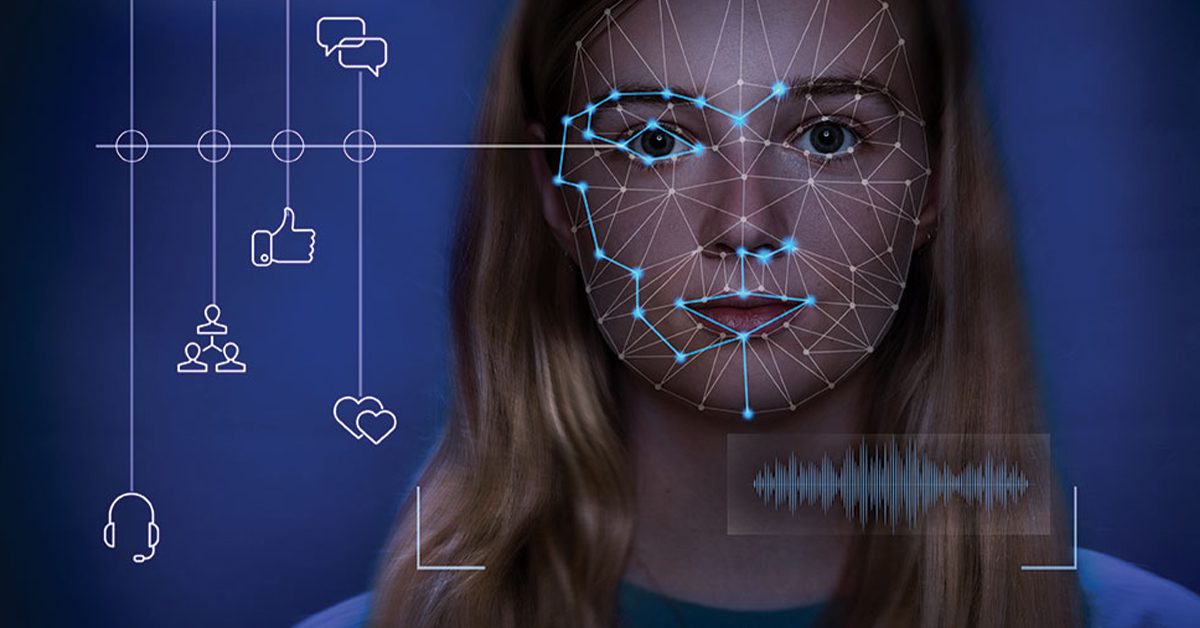
Artificial Intelligence (AI), a technology once primarily associated with futuristic concepts, has become an integral part of our daily lives. However, its rapid advancement has also given rise to new challenges, one of the most prominent being deepfakes. Artificial Intelligence (AI) is both a cause and solution to every issue raised by deepfake technology.
Deepfakes are AI-generated media that can be used for malicious purposes or manipulate a person's face or voice resulting in identity theft, and misinformation, and pose a serious threat to the person's reputational damage and the society.
Here's how AI is helping to tackle the problems caused by deep fakes:
While AI offers promising solutions to the deepfake problem, it's vital to note that the technology is constantly evolving over the year. As deepfake creators become more sophisticated and eager to create a hustle in technology, AI detection tools must also adapt to stay ahead. The battle against deepfakes is likely to be revolving in the future, requiring continuous innovation and collaboration between researchers, developers, and policymakers.

Comments
Post a Comment